

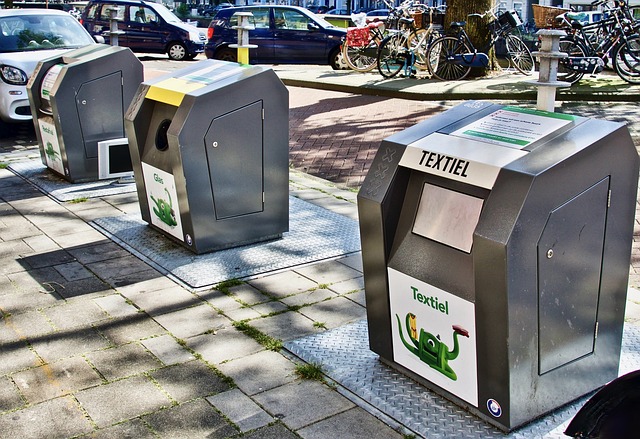
The EU has set a deadline of January 1, 2025, requiring all Member States and their administrative regions to establish separate collection systems for textile waste. On January 1, 2025, Extended Producer Responsibility (EPR) came into effect, mandating the selective collection of end-of-life textiles across European countries. This measure aims to reduce the destruction of reusable textiles and accelerate large-scale textile recycling.
What is Extended Producer Responsibility (EPR), and How Does It Affect Fashion and Textile Brands?
Definition of Extended Producer Responsibility
EPR is an environmental policy that holds producers accountable for the post-consumer phase of their products, encouraging recycling and reuse initiatives. Defined by the OECD, this approach integrates sustainability into product design and shifts the financial and operational burden of waste management to producers.
Impact on the Textile and Fashion Industry
As one of the most polluting industries globally, the textile sector will experience significant changes. EPR requires companies to minimize their environmental footprint by prioritizing recycling and textile waste reuse. Additionally, new regulations prevent the improper export of textile waste, ensuring responsible disposal.
Examples of EPR Implementation in Europe
- France: EPR systems already in place, making manufacturers responsible for recycling and disposal.
- Netherlands: Since 2023, producers and importers have financed the collection and recycling of textile waste.
- Italy: A 2023 legislative proposal requires producers to cover collection costs and develop recyclable and reusable designs.
- Sweden: A 2024 draft law includes collection systems led by brands such as H&M.
EPR Objectives
Selective Collection – Establish efficient and measurable methods to separate and recycle textile waste.
Reuse & Recycling – Achieve targets for reuse and recycling, reducing the industry’s climate footprint.
Repair & Remanufacturing – Promote repairable and remanufacturable products, extending product lifecycles.
The Path for Portugal
The Waste Framework Directive update, effective from January 1, 2025, mandates the separate collection of textile waste and the implementation of EPR schemes. This represents a major challenge for Portugal, requiring alignment with EU waste management goals. Both local governments and producers must act swiftly and collaboratively to ensure that essential infrastructure is in place on time and that textile waste is managed effectively.
The shift towards a circular economy in textiles is not just an environmental obligation—it is an opportunity to modernize the industry, optimize resource efficiency, and minimize negative impacts across the supply chain. Immediate action is needed, and compliance with EU deadlines will be crucial to securing a competitive and sustainable future for Portugal and its industries.
Conclusion
EPR is transforming the way textiles are produced and consumed in Europe. Fashion brands must adopt circular solutions, not only to comply with regulations but also to meet growing environmental and social expectations. 2024 and 2025 will be pivotal years for circularity in the textile and fashion industries, marking the beginning of a critical transformation toward a more sustainable future.
Source: Recovo
Source: Observador